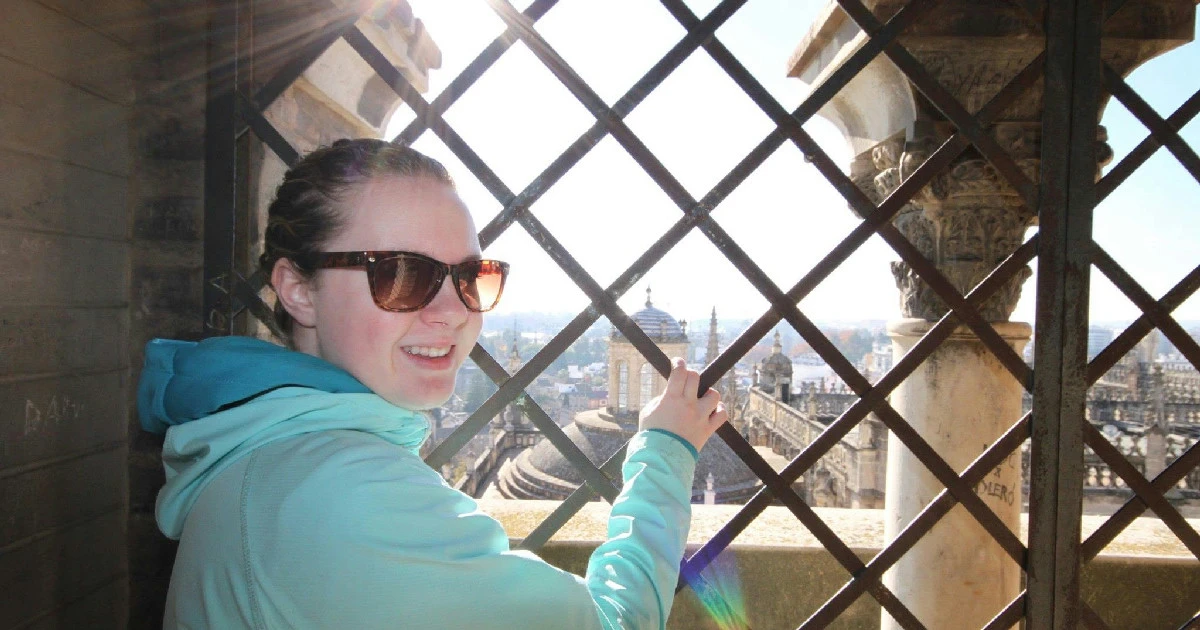
After living and working in Spain for two years, I discovered a country where food brings people together and siesta culture is real. Here's what I know that guidebooks can't teach.
After living and working in Spain for two years, I discovered a country where food brings people together and siesta culture is real. Here's what I know that guidebooks can't teach.
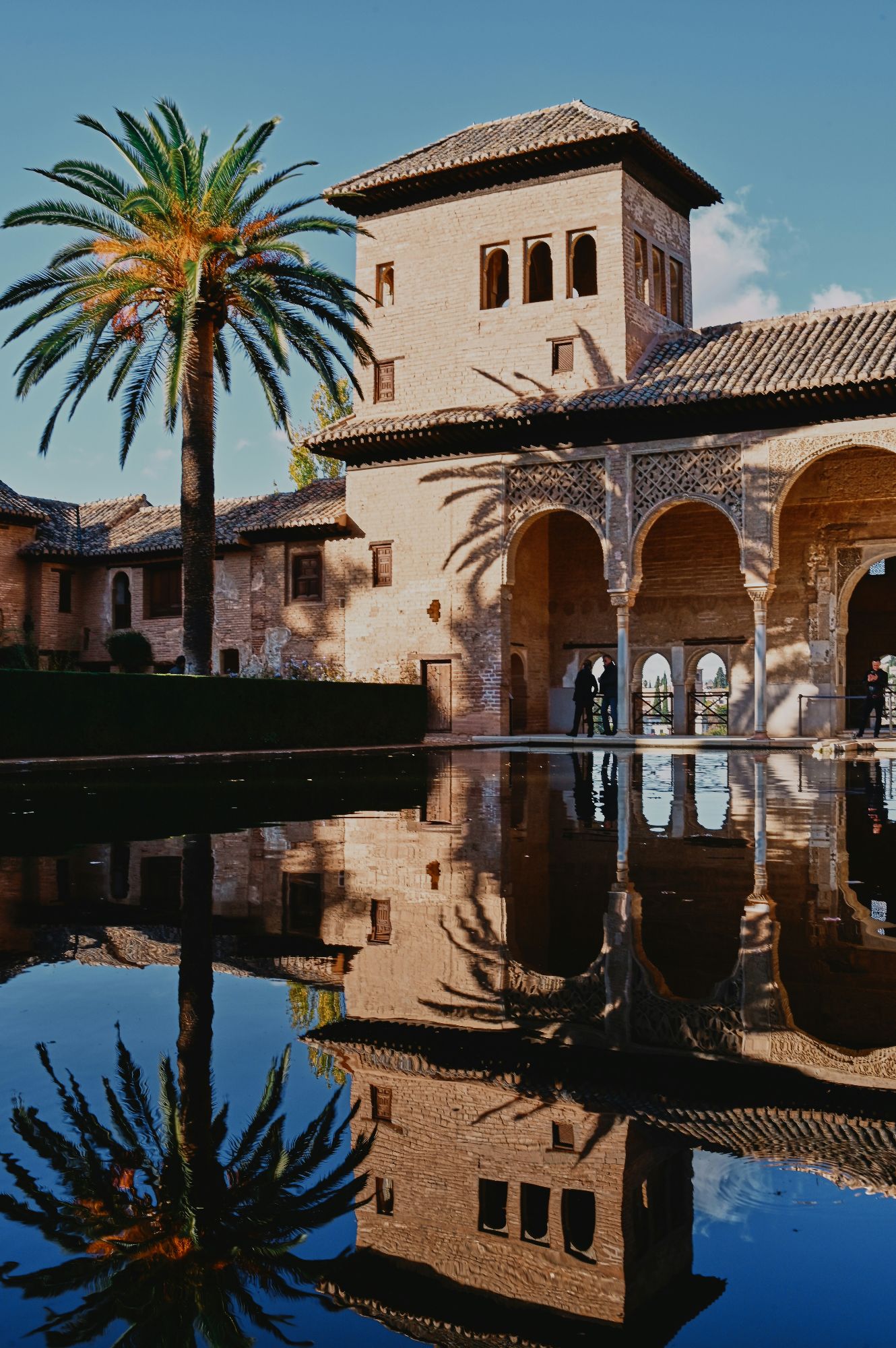
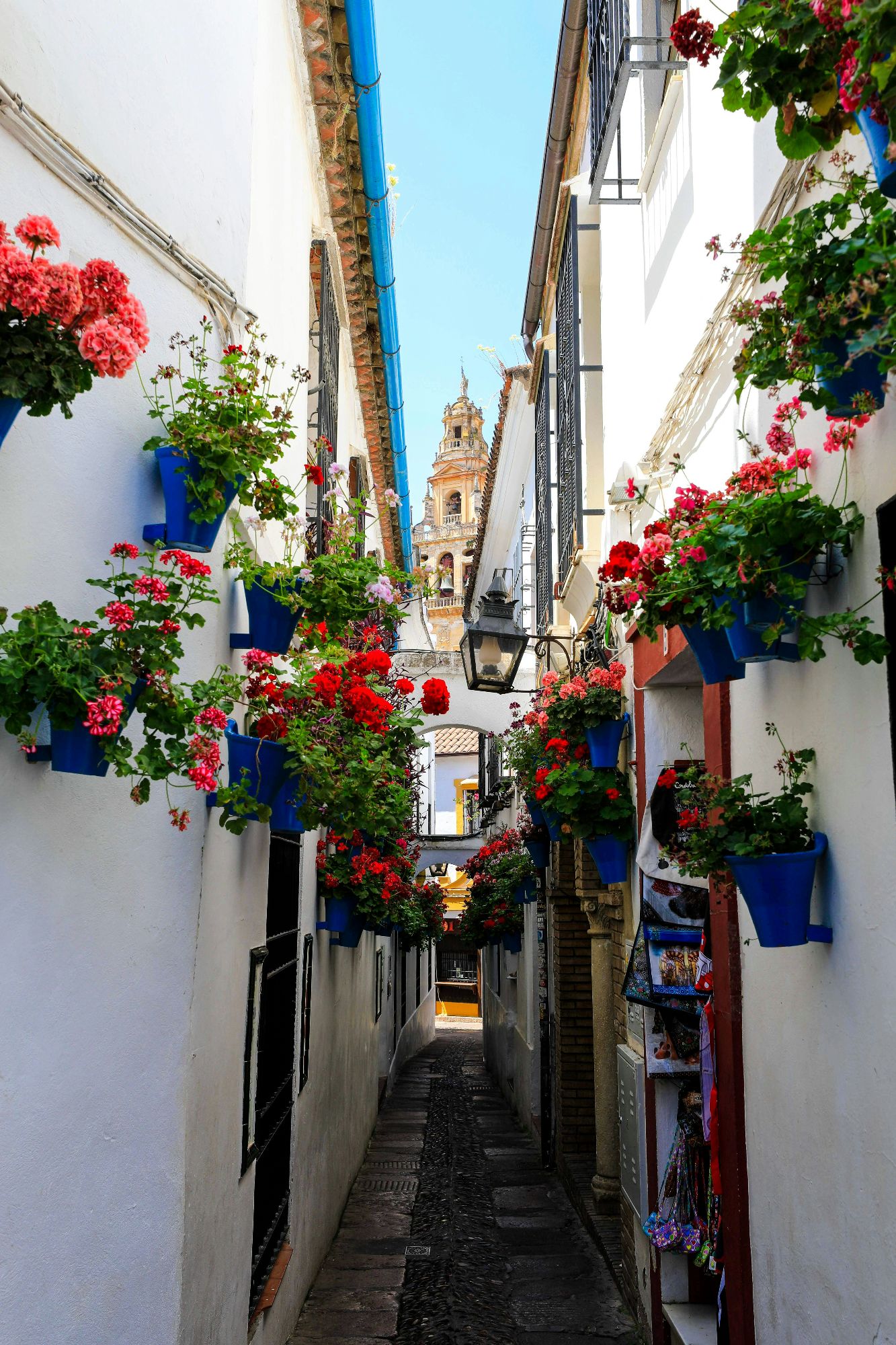
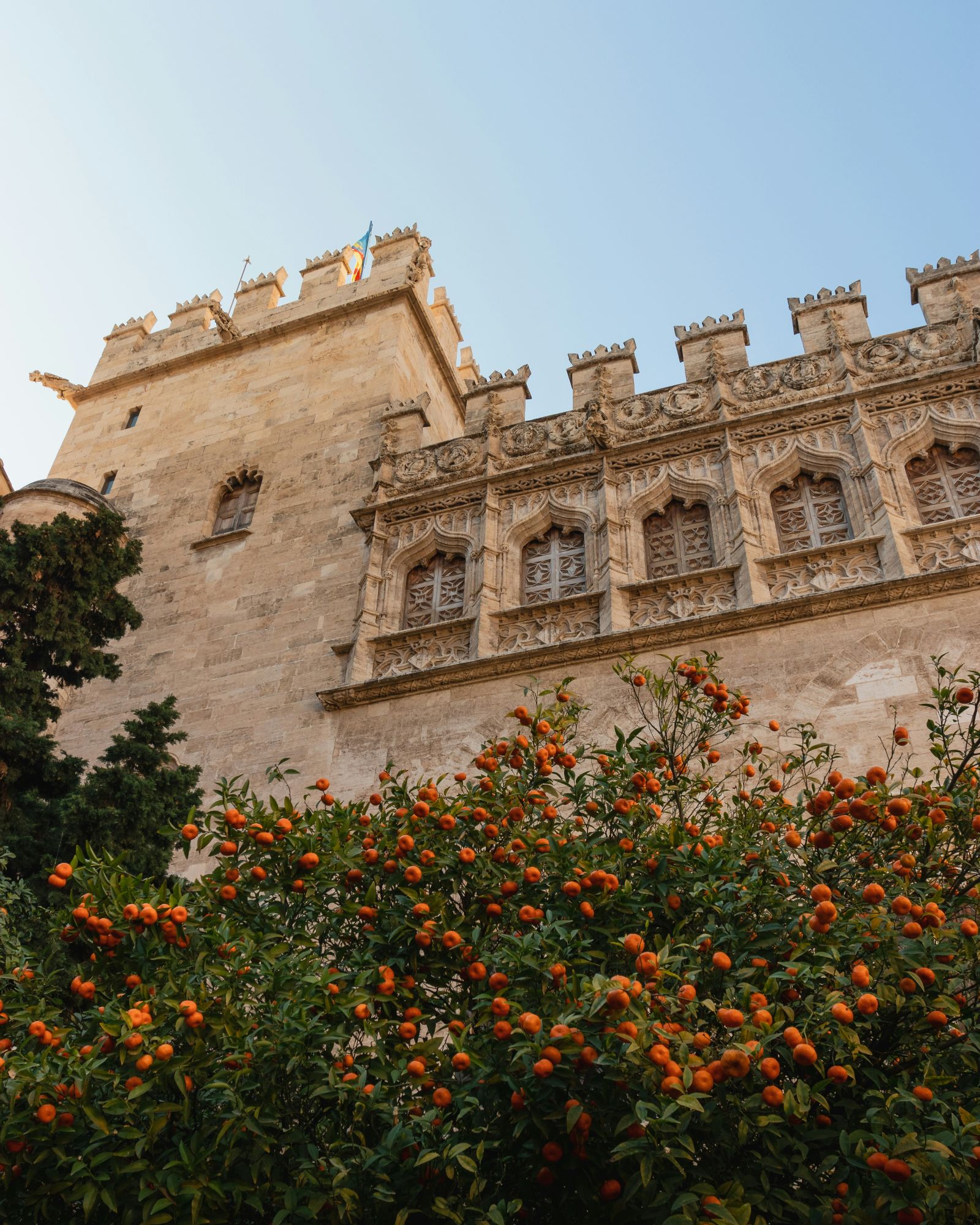
When I was studying my bachelor's degree in Tourism and Hospitality Management, I had an opportunity that would shape my entire approach to travel advising. I went to Spain, not just to visit, but to live, study, and work. For approximately two years, I immersed myself in Spanish culture, learning the language, working at a hotel in Murcia, and exploring the country from Madrid to Seville, Córdoba, Granada, Valencia, and Barcelona. This wasn't a quick vacation. It was a firsthand experience that gave me insights into the real Spain.
What drew me most deeply into Spanish culture was how food brings people together. In Spain, meals are not individual affairs. The tradition of tapas, where dishes are placed on the table for everyone to share, transformed my understanding of dining. Picture a table with paella, Spanish ham, the Spanish omelette, and croquetas, everyone reaching in, tasting, discussing, laughing. It's a communal experience that creates connection in a way that ordering your own plate simply cannot replicate.
Discoveries Beyond the Tourist Trail
Living in Murcia taught me something valuable. This region, not as touristic as Barcelona or Madrid, offers a slower pace with stunning beaches and wonderful food, including their famous seafood paella. Working at a hotel there showed me how locals actually live, which is knowledge I carry with me when planning trips for clients who want more than surface-level sightseeing.
One thing that surprised me, even as someone fluent in Spanish, was how different the regional dialects are within Spain itself. The accent from the south, where I resided most, is quite different from what you might hear in Barcelona, Valencia, or Madrid. Years later, when I met my partner Santi from Colombia, I realized that Spanish from Spain sounds remarkably different from Latin American Spanish. If you're traveling to Spain and want to practice your Spanish, don't worry if you can't quite understand what a local is saying. The people of Spain are very friendly and patient.
Practical Wisdom for Travelers
Here's something most travelers would never figure out on their own: siesta culture is real. When I was in Spain, between 2 p.m. and 5 p.m., people actually do take siestas where they rest. If you're expecting to go shopping during those hours, a lot of the shops will be closed. Plan your days accordingly. And avoid June, July, and August if possible. The summer season is very hot, even for locals. March, April, September, and October offer much more comfortable conditions for exploring.
Even after two years, I still didn't have enough time to see everything I wanted. I never got to really explore the North or Basque Country. So if you think you can see all of Spain in one trip, embrace the reality that you'll likely need to return. For first-time visitors, I recommend starting with the region of Andalusia, which you can explore well in a 10-day to two-week period. Starting in Madrid, then going to Seville, Córdoba, Granada, and adding Valencia and Barcelona if you have the time would be a wonderful itinerary to get your feet wet before diving into deeper explorations.
Who This Trip Is For
Spain is a diverse country that offers something for everyone. However, I do encourage travelers to consider supporting smaller, local communities rather than spending too much time in the really busy tourist areas. Barcelona is currently facing some over-tourism issues where visitors are having an impact on pricing and quality of life for locals. Do some research and try to spread your time and spending more widely.
Being a resident versus being a visitor showed me the real Spain and how people live. I confidently sell and recommend Spain as a destination because I can help clients avoid the major tourist traps and become intimate with the culture, the people, and the places worth exploring. If you've got the time, perhaps add on a week in Portugal, as it's right next to Spain. Lisbon, the Algarve, or a river cruise down the Douro River would make a beautiful extension. And on my next visit? I dream of tackling the Camino de Santiago, Europe's greatest pilgrimage route. Everyone I've spoken to who has completed it loved it deeply.
