With a Colombian partner as my personal guide, I've discovered a country that engages all five senses and defies every expectation I had before my first visit.
With a Colombian partner as my personal guide, I've discovered a country that engages all five senses and defies every expectation I had before my first visit.
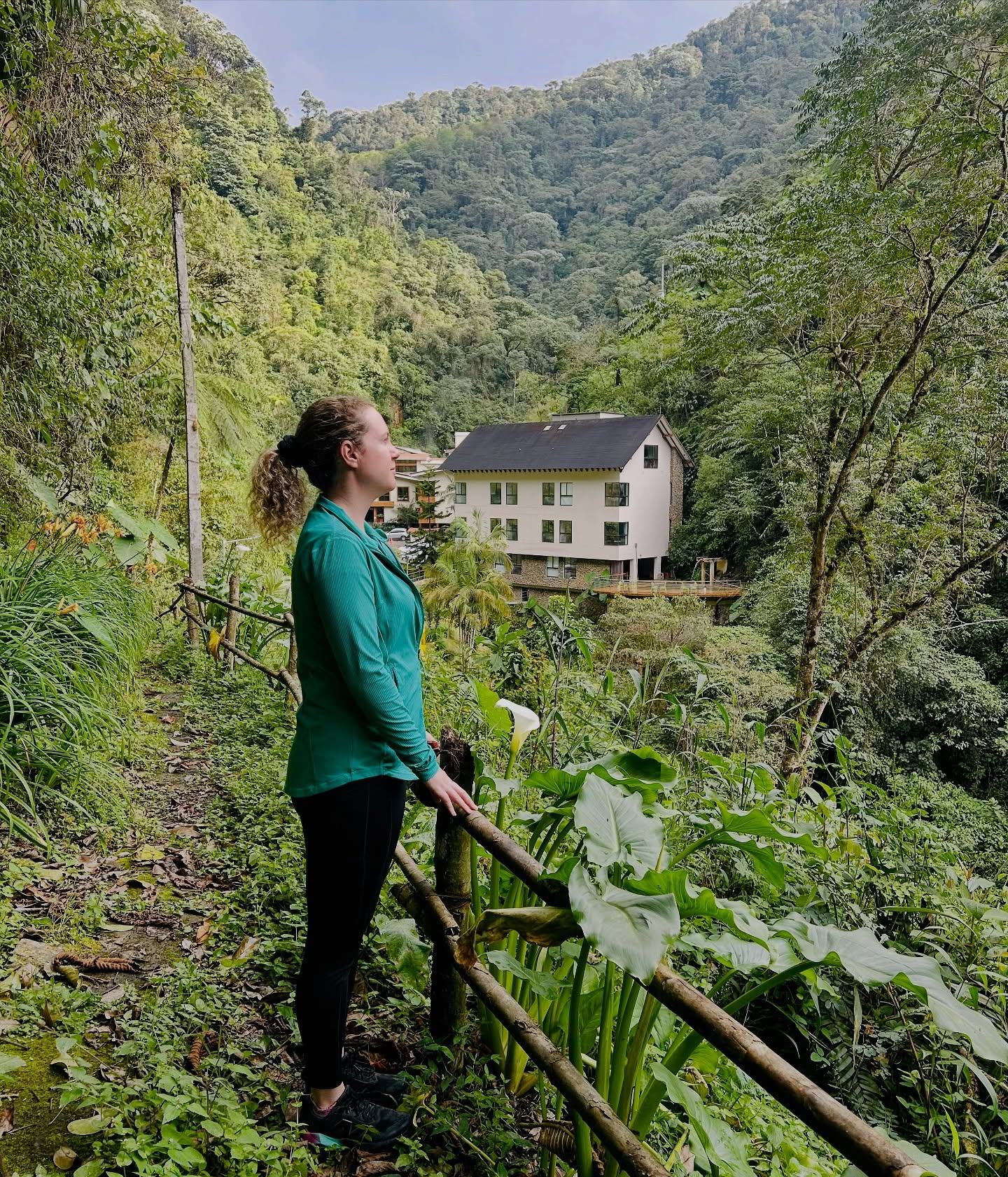
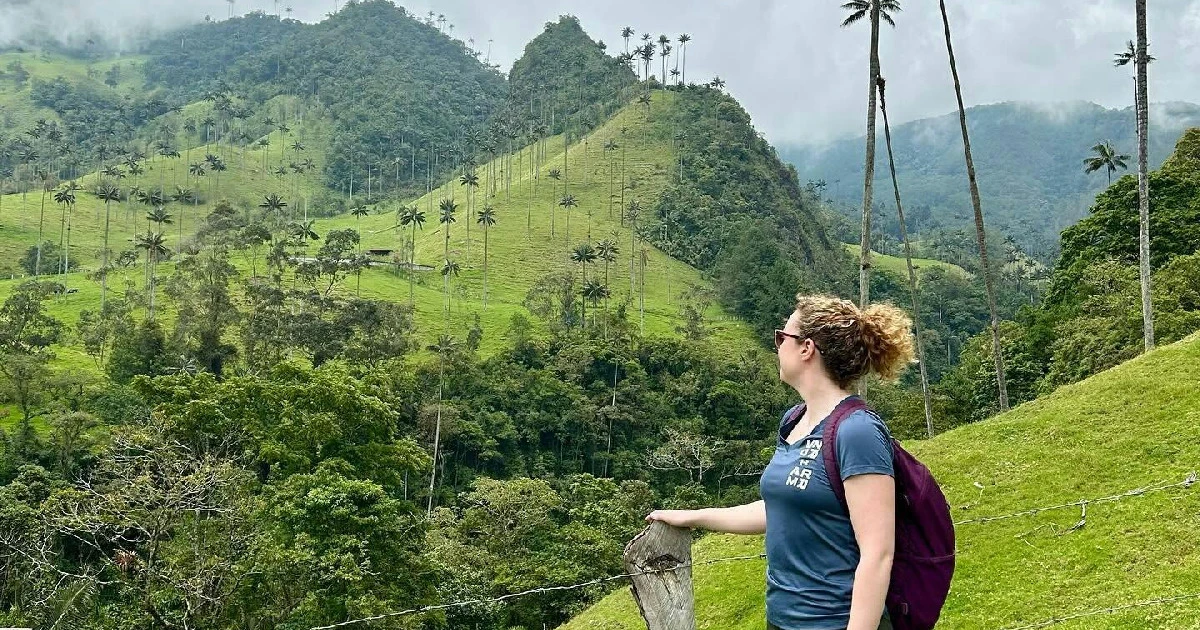
Every year, my partner and I visit Colombia. He's originally from Pereira, a city close to Salento, the stunning coffee region and Cocora Valley. What started as visits to see family has become something deeper: a firsthand experience of a country that continues to surprise me with its diversity, warmth, and colour. Having my parter Santiago as my personal tour guide, along with his family, has given me an insider perspective that no guidebook could ever provide.
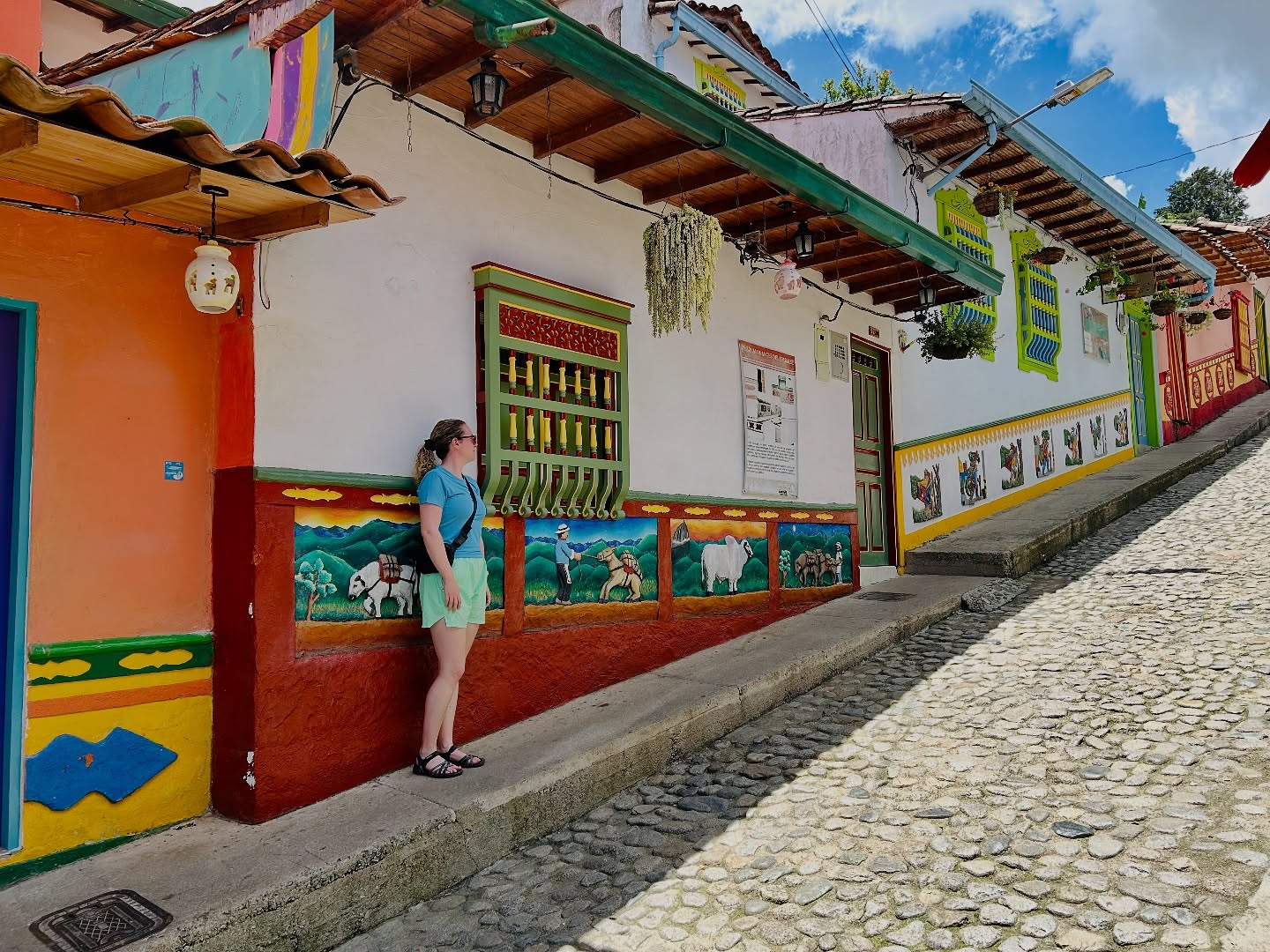
Colombia is one of the most colourful countries I have ever been to. The well-preserved colonial cities alone are worth the journey, but it's the street art that truly captures the spirit of modern Colombia. In Medellin, I fell in love with Comuna 13. This neighbourhood was once a very poor, very dangerous place. But tourism has brought the street life back in ways that feel authentic and alive. Walking through, you see intentional graffiti everywhere, vibrant artworks that tell stories of resilience. Street dancers perform while the smell of cooking fills the air. And the empanadas in Comuna 13? Absolutely delicious. This is what I mean when I say Colombia engages all your senses.
Before going to Colombia, I thought it would be hot everywhere. I was wrong. The capital, Bogota, sits at high altitude, so it's actually quite chilly. When I hiked the famous Monserrate, the altitude made it a strenuous trek, but I appreciated the cooler temperatures for that climb. Then you travel to the coffee regions around Salento and the heat returns. If you're planning to explore different parts of the country, pack layers for Bogota and lighter clothing for places like the coffee region. This is the kind of practical insight I share with clients because I've lived it myself.
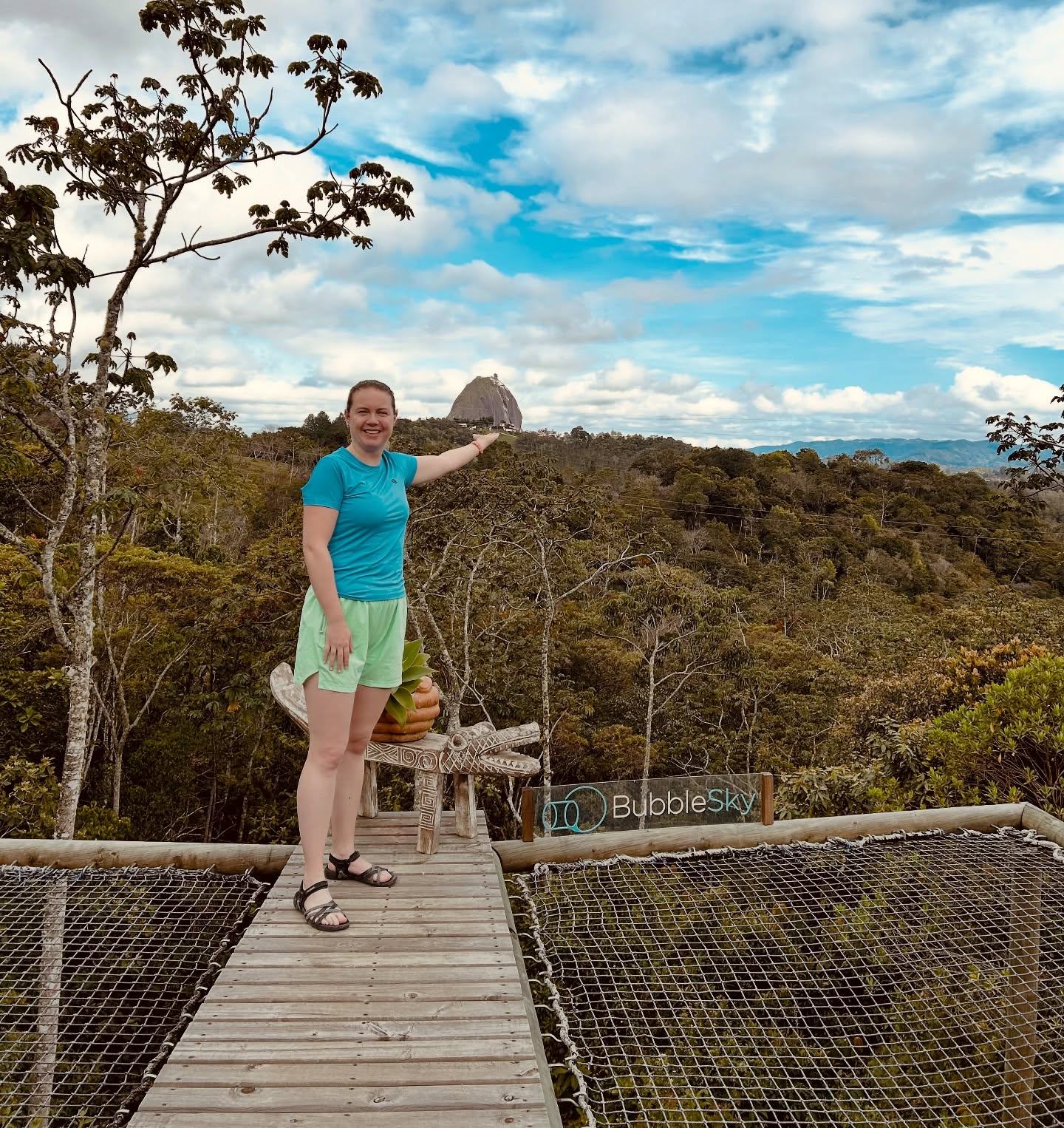
On our last visit, we decided to rent a car and drive across the country. There's a reason this isn't a popular method of travel. Colombia doesn't have highways like we do here in Canada because there are mountains everywhere. Driving from Bogota to Guatape, which is less than 300 kilometers, takes at least eight hours. No flat, straight highways here. Flying within Colombia is easy, convenient, and short. I now confidently recommend flying if you're exploring multiple regions. Don't attempt the drive unless you have time and patience to spare.
Here's something Canadian travelers need to know: there's a mandatory tourist tax when you arrive in Colombia. It's approximately $100 Canadian dollars, and it cannot be paid online or in advance. Don't fall for those scam websites claiming you can prepay. You must pay it at customs upon arrival, and they only accept credit card. This is exactly the kind of insider tip that saves my clients stress and confusion.
Who Should Experience Colombia
Colombia is for experienced travelers who want to embrace the difference in cultures and dive into something immersive. If you've traveled before and crave diversity, from colonial architecture to street art to mountain treks to coffee plantations, you'll love it here. For those who haven't traveled much, I recommend a softer landing. Travelers can take a cruise that stops at Cartagena on the Caribbean coast, which is a lovely way to get your feet wet before diving into the rest of the country.
Once you visit one country in South America, you'll want to keep going back. We already plan to tack on other destinations during our Colombia trips, like when we visited Ecuador last time. Perhaps Patagonia, Argentina, or a wine tour in Chile with some hiking. South America is so vast that it keeps calling you back.
On our next visit, we hope to do the Lost City Trek, spending five days with the Wiwa indigenous community guiding us through ancient ruins that not many people know about. It's considered a very difficult hike, but the photos I've seen make it well worth the challenge. Colombia in the past was known as a dangerous place. But now it's become a more developed country, and tourism has brought its colonial cities back to life. Colombians are incredibly welcoming, and I can't wait to share this destination with clients ready for an adventure that truly engages every sense.