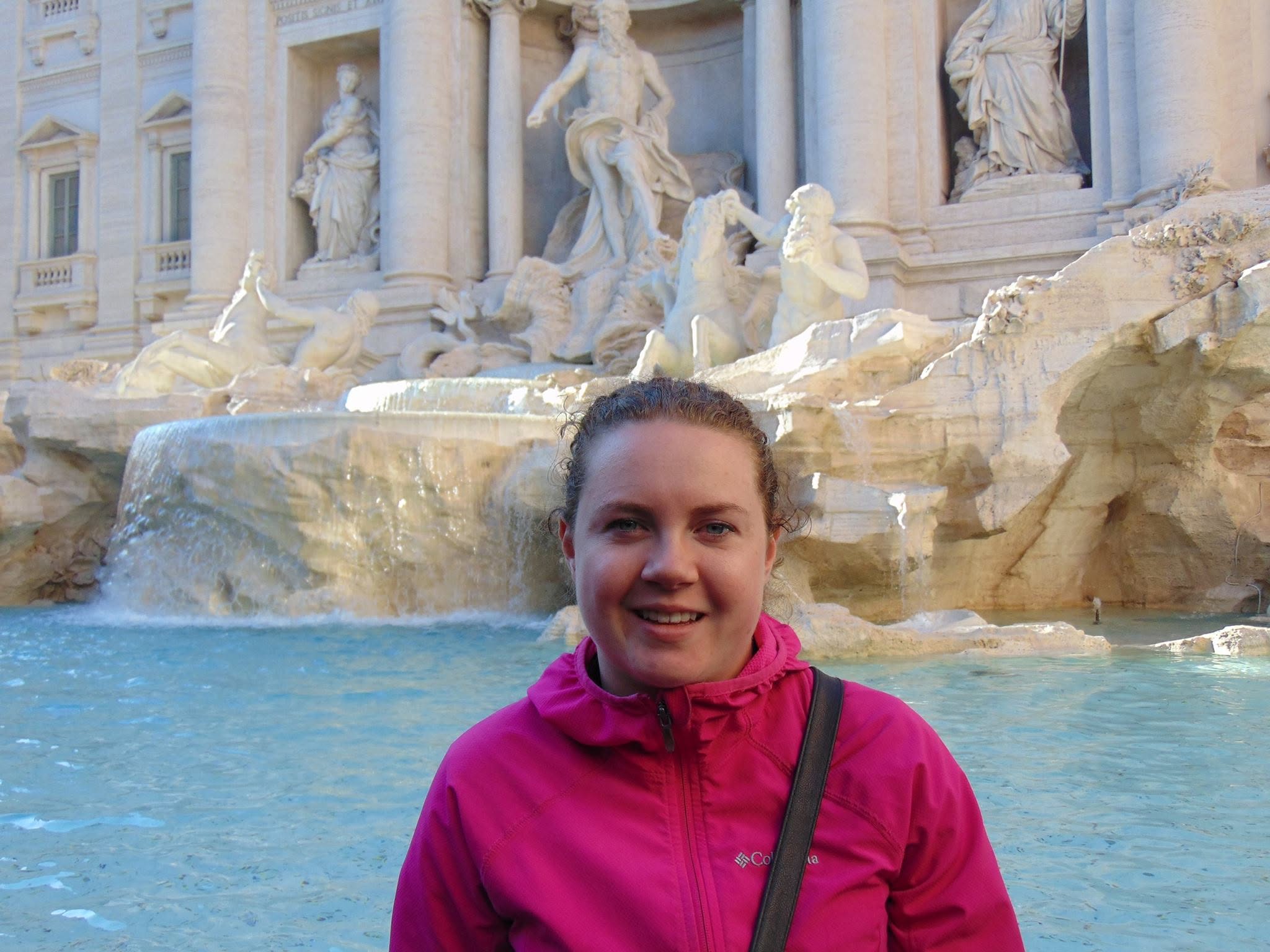
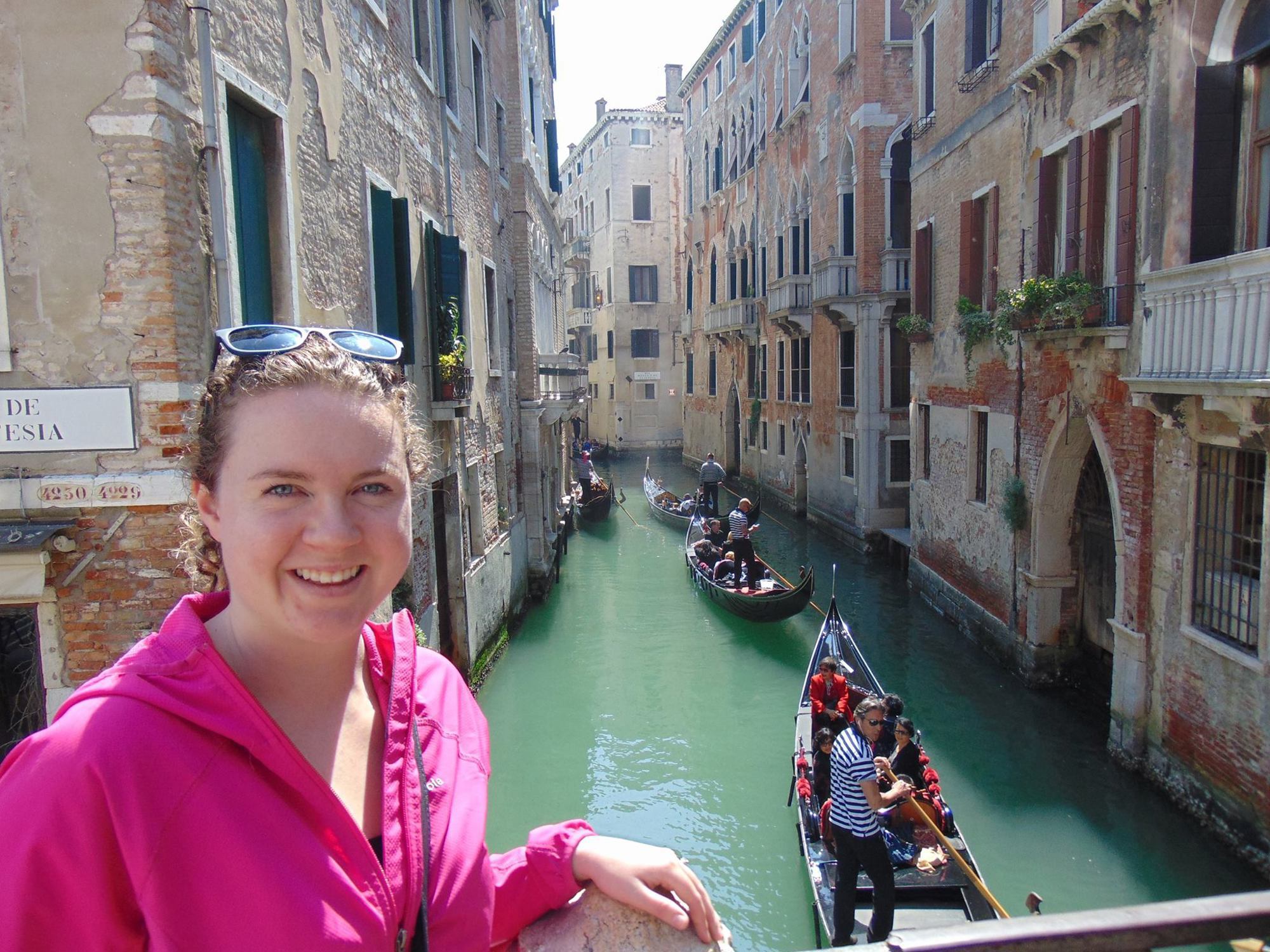
From the canals of Venice to the piazzas of Rome, I traveled like a local and discovered why a guide who knows the best pesto spots changes everything.
From the canals of Venice to the piazzas of Rome, I traveled like a local and discovered why a guide who knows the best pesto spots changes everything.
I had dreamed of Italy for years, the way most travelers do: imagining myself twirling pasta in a tiny trattoria, getting lost in cobblestone alleyways, standing before centuries of art and history. But as a travel advisor, I needed more than postcard moments. I needed to understand how Italy actually works for the travelers I serve. So I carved out ten days to wind my way from Venice through Cinque Terre to Florence and finally Rome, joining a small group trip with Intrepid Travel.
Traveling the Local Way
Our primary mode of transportation was train, and I quickly understood why Italians swear by it. Train travel in Italy lets you bypass traffic jams entirely while delivering you straight to city centers. The trains were comfortable, equipped with air conditioning, toilets, and snack bars. There's something deeply satisfying about watching the Italian countryside roll past your window, then stepping off the platform directly into the heartbeat of a new city. Our local leader Andrea navigated everything with ease, taking us on orientation walks through each captivating destination and leading us to restaurants where only locals eat.
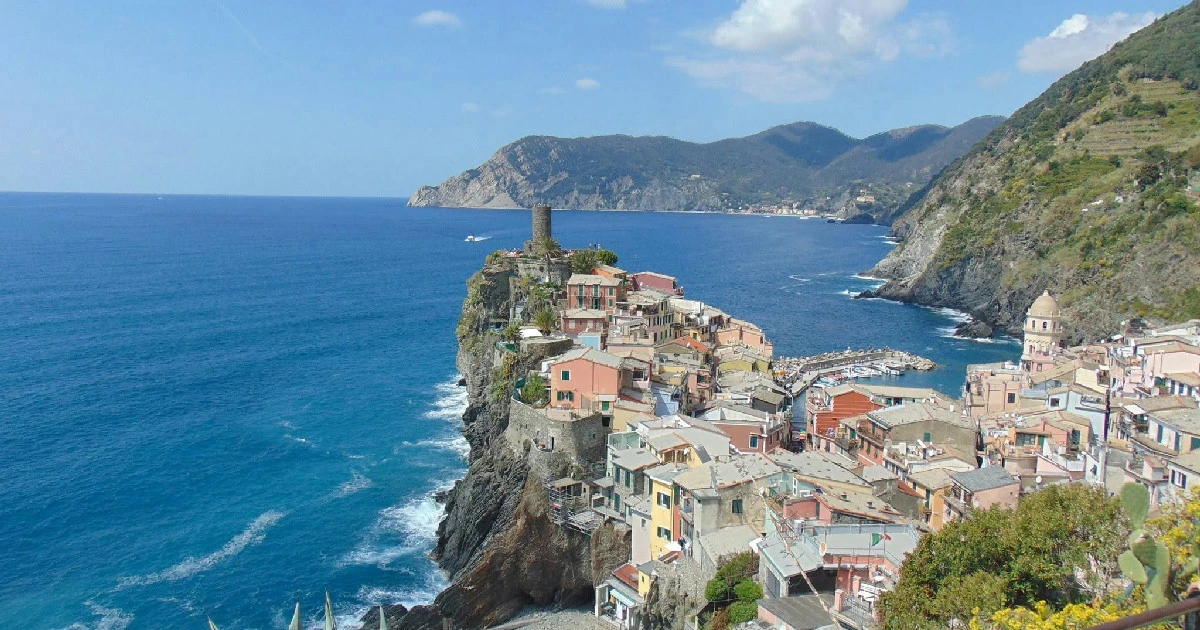
The best pesto and focaccia I had in all of Italy came from Cinque Terre. The flavor was so vibrant, so impossibly fresh, that I found myself thinking about it for days afterward. Visitors can take a pesto making class there, and I would highly recommend it for anyone who wants to bring a piece of Liguria home with them. Those clifftop villages deliver on their promise of stunning scenery, but it's the food memories that linger longest.
Insider Knowledge That Matters
Here's something most travelers don't realize: Venice has implemented an access fee for tourists visiting during spring and summer. But Intrepid customers can apply for an exemption before arriving and skip that fee entirely. It's the kind of insider detail that makes traveling with an experienced tour operator worthwhile.

I also learned practical lessons that will change how I advise clients. Vegetarians might find Italian menus less varied than expected. Vegetarianism isn't as common in this region, so choices tend to be basic: vegetables, soups, salads, bread, cheese, and eggs. For vegans or those on gluten-free diets, this region can be genuinely challenging, and I'd recommend supplementing meals with supplies from local supermarkets and markets. Wherever possible, our leader Andrea catered to dietary needs, but setting realistic expectations upfront makes for a smoother trip.
European accommodations also have their quirks. Many hotels offer two single beds pushed together rather than true doubles. Some facilities are shared rather than ensuite. And summer temperatures can soar past 40°C, with many hotel rooms lacking air conditioning. These aren't dealbreakers, but they're details worth knowing before you pack.
Who Will Love This Route
This journey is perfect for travelers who value independence but also want the benefit of a local leader and like-minded companions. The itinerary blends structured activities with free time for personal exploration, and Andrea always offered suggestions for those who wanted guidance. You'll need to be comfortable with public transport, able to lift your luggage onto storage racks, navigate cobblestone streets, and handle stairs. If that sounds invigorating rather than exhausting, this trip is for you.
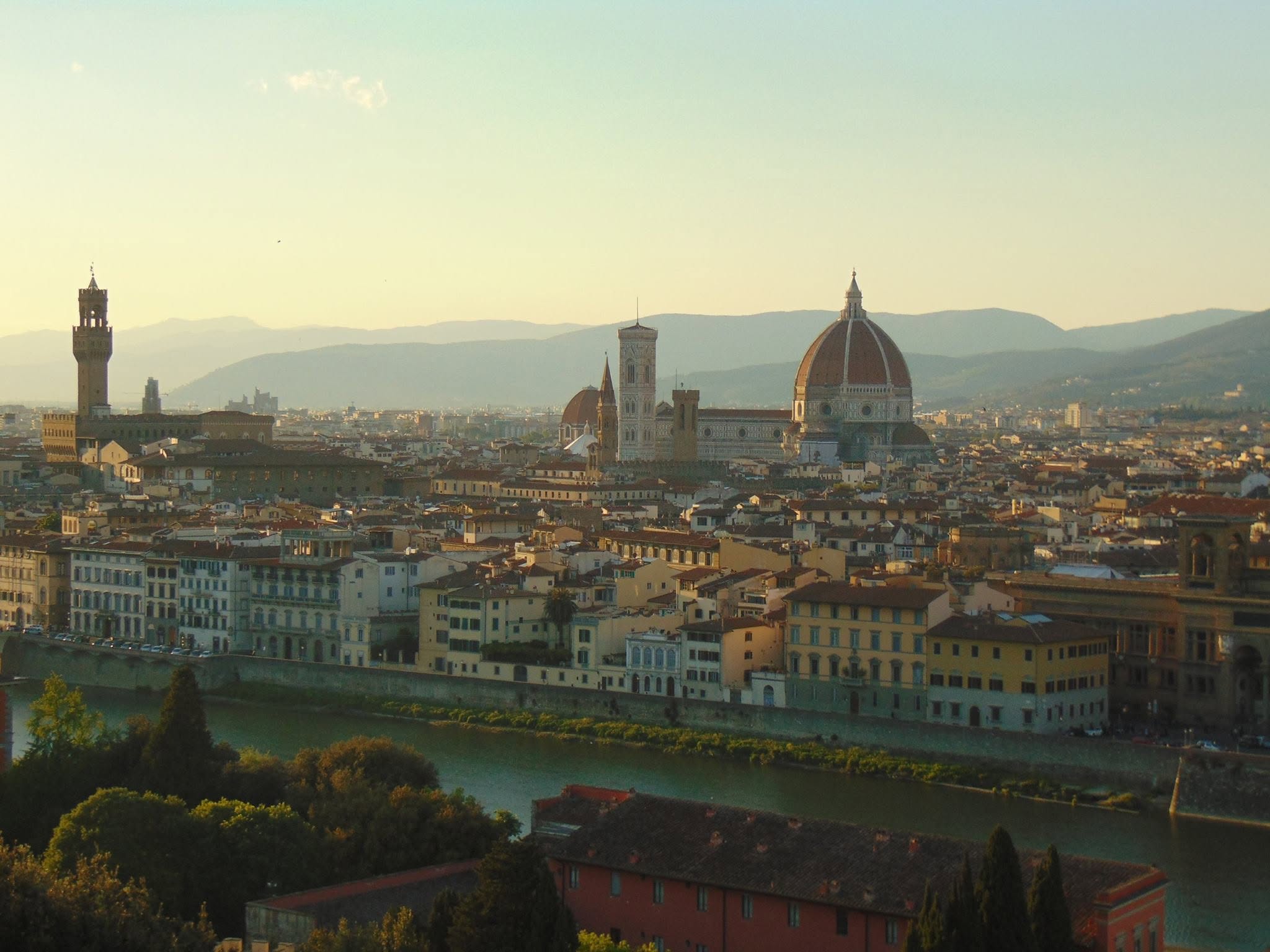
To explore all of Italy's major highlights, you'd realistically need at least a month. So my advice is to tackle regions one at a time if you only have a week or two. The Venice to Rome route with stops in Cinque Terre and Florence is ideal for first-timers who want the classics. Save the Tuscan countryside, Sicily's treasures, and Puglia's charm for future visits. I'm already planning my return to explore Sicily's natural, cultural, and historical wonders.
For clients who want the inside scoop on where to eat and what to explore, I always recommend traveling with Intrepid without hesitation as a primary option. Having a guide who knows which osteria serves life-changing pasta makes all the difference. I've walked these streets and tasted that pesto. Now I'm ready to help you experience it too.