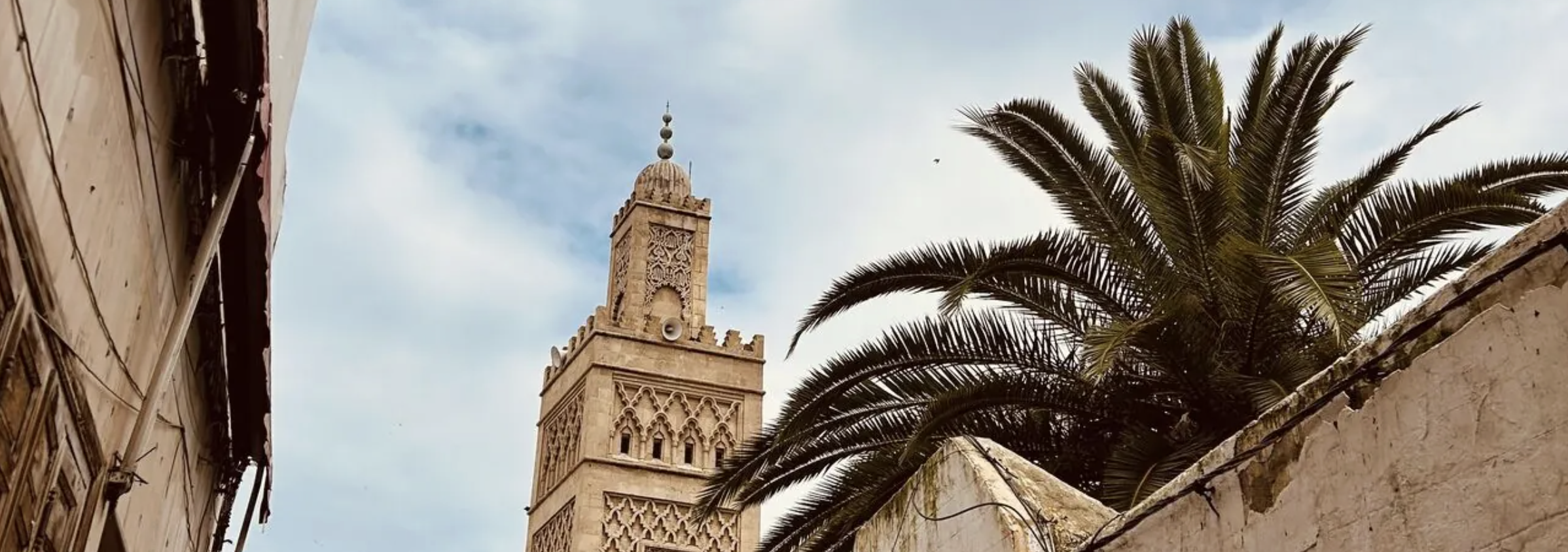
After selling Morocco for a decade without stepping foot there, I finally experienced the destination and started with Casablanca's Medina and Culinary traditions. This city is the perfect soft landing for Morocco visitors.
For more than ten years, I had been recommending Morocco to clients. I knew the itineraries, the riads, the routes from Marrakech to the Sahara. But I had never actually been there myself. That gap in my expertise quietly nagged at me until I finally decided it was time. I booked twelve days, starting in Casablanca and finishing in Marrakech, ready to discover whether the destination I had been selling matched the one I would experience.
Casablanca was my introduction, and it surprised me from the very first morning. Most travelers treat this city as a pit stop, something to endure before the real adventure begins. They visit the Hassan II Mosque (which is genuinely stunning, with its minaret stretching toward the Atlantic and intricate tilework that took thousands of artisans to complete) and then rush off. I nearly made that same mistake. Instead, I stayed, and Casablanca revealed itself to be so much more.
A Foodie Tour That Changed Everything
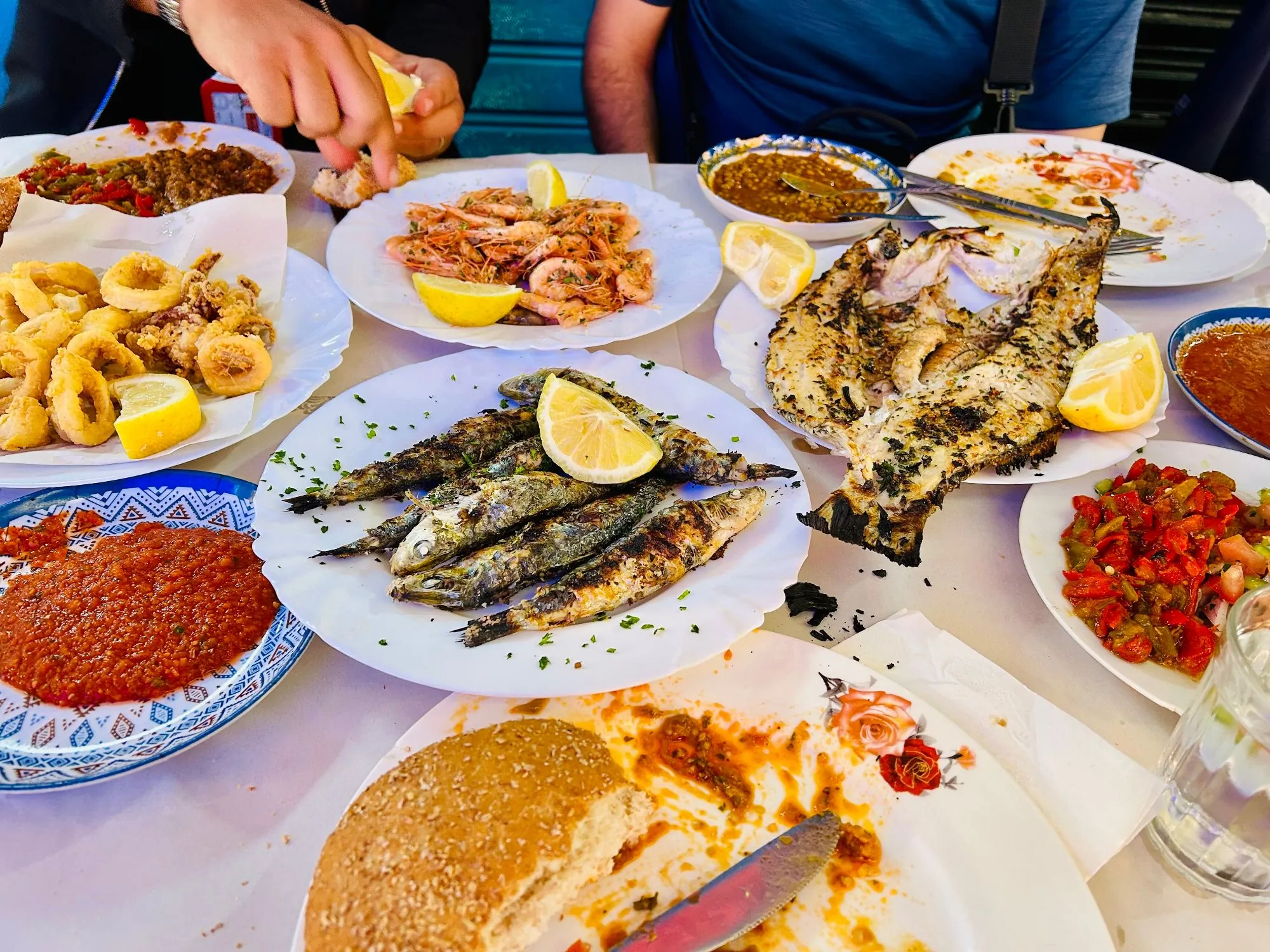
On my first full day, I joined a foodie tour led by a local guide who seemed to know every back alley and vendor in the city. We moved through narrow streets, stopping at stalls for flaky pastries from French bakeries, sipping mint tea, and sampling tajine cooked low and slow until the meat fell apart at the touch of a fork. But the moment I keep telling everyone about happened at the fish market.
Our guide walked us through rows of glistening catches, selecting fish with the confidence of someone who had done this a thousand times. He negotiated with fishmongers, pointed out what was freshest that morning, and then arranged for everything to be delivered to a nearby restaurant. We sat outside while the chef cooked our seafood right in front of us, the smell of grilling fish mixing with sea air. It was simple, spontaneous, and completely unforgettable. That meal taught me something no guidebook could: Casablanca has soul, and you find it by slowing down.
Getting Your Feet Wet Before the Plunge
What I now understand is that Casablanca serves as the perfect introduction to Morocco, especially for travelers arriving from colder climates. The pace here is gentler than Marrakech's sensory overload. The medina, the historic core of the city, offers a more manageable introduction to haggling and exploring. I wandered through shops selling leather goods and spices, eventually finding a cooperative where I purchased beautiful Argan oil, the quality far superior to anything packaged for export.
One practical tip I wish I had known sooner: you cannot obtain Moroccan Dirham before arriving in the country. I now recommend the Wise multi-currency debit card to my clients. It allows easy ATM withdrawals with lower transaction fees, eliminating the stress of currency exchange on arrival. Small details like this make the difference between a smooth landing and an anxious first day.
Who Should Experience Casablanca
This city is ideal for travelers who want to ease into Morocco rather than dive headfirst into chaos. If you are coming from Canada or anywhere with harsh winters, Casablanca's coastal climate and softer energy provide a comfortable transition. It suits food lovers, culture seekers, and anyone who appreciates architecture beyond the obvious landmarks. However, if you crave immediate intensity and constant stimulation, you might grow restless here. Casablanca asks you to linger, to notice, to savor.
Having walked those streets and tasted that fish cooked minutes after purchase, I will never again suggest that clients rush through Casablanca. I will recommend foodie tours and bike rides through neighborhoods tourists rarely see. I will tell them about the Medina's quieter rhythm and why an extra day here sets the tone for everything that follows. Morocco gave me twelve extraordinary days, but Casablanca gave me the foundation. Now, when I talk to clients about this country, I am not reciting itineraries. I am sharing what I lived.

