From panning for gold in Dawson City to feeding eagles from a fishing boat, I discovered why this rugged northern route demands an expert who's actually done it.
From panning for gold in Dawson City to feeding eagles from a fishing boat, I discovered why this rugged northern route demands an expert who's actually done it.
Some trips call to you for deeply personal reasons. When my wife and I planned our journey north to visit our son in Dawson City, Yukon, I knew we had to make it more than a family reunion. As a travel advisor, I needed to experience firsthand what it takes to navigate this remote corner of North America, where normal infrastructure doesn't exist and last-minute planning simply isn't possible.
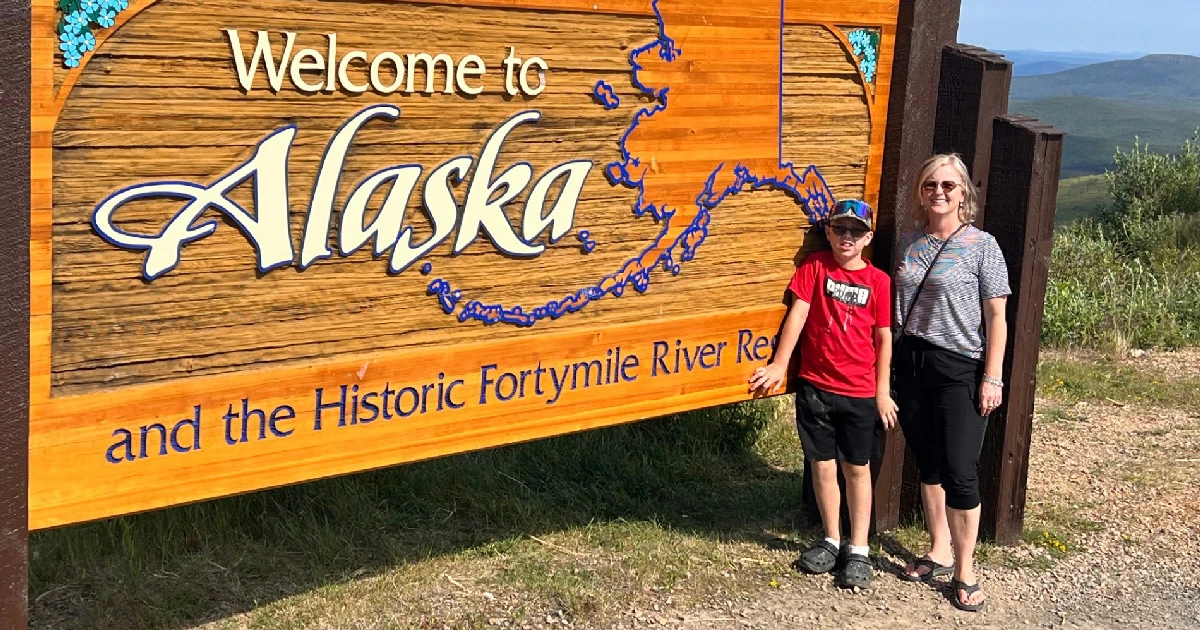
We flew from Toronto to Edmonton, then caught a connecting flight to Whitehorse before renting a truck for the drive to Dawson City. After spending time with our son, we crossed into Alaska via the Top of the World Highway, boarded the Alaska Railway to see Denali National Park, and eventually sailed home to Vancouver on the Celebrity Millennium. It was ambitious, layered, and exactly the kind of multi-part adventure I wanted to master for my clients.
Where Gold Meets Glacier
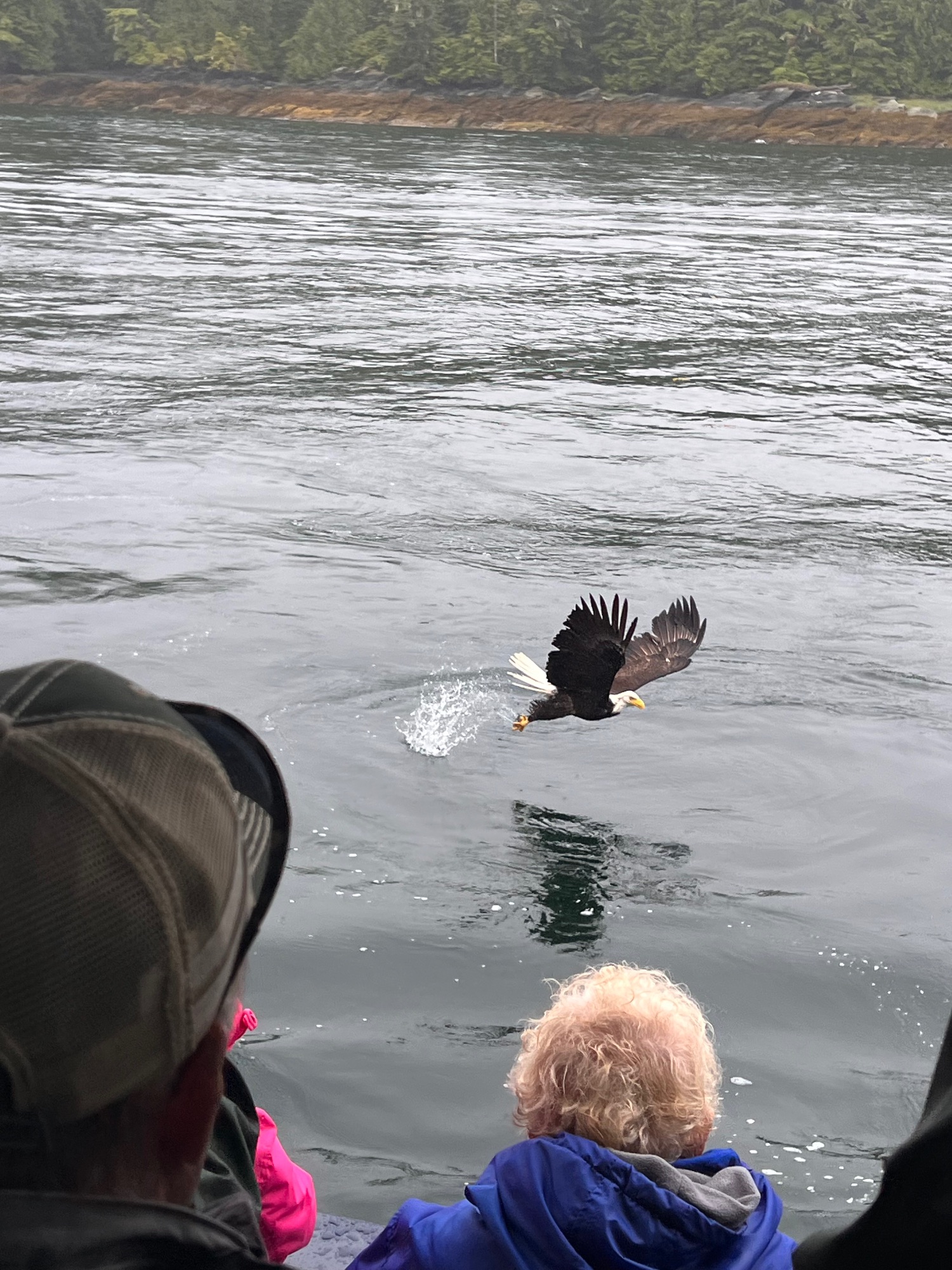
I keep replaying certain moments in my mind. Standing knee-deep in the Yukon River, the cold water rushing past as I swirled a pan looking for gold flakes. It sounds almost cliché until you're actually there, the weight of the pan in your hands, the thrill when something glints at the bottom. Later, from the deck of our cruise ship, I watched bald eagles swoop down to feed, close enough that I could hear the rush of their wings. These weren't experiences viewed from a distance or through a bus window. They were intimate and immediate.
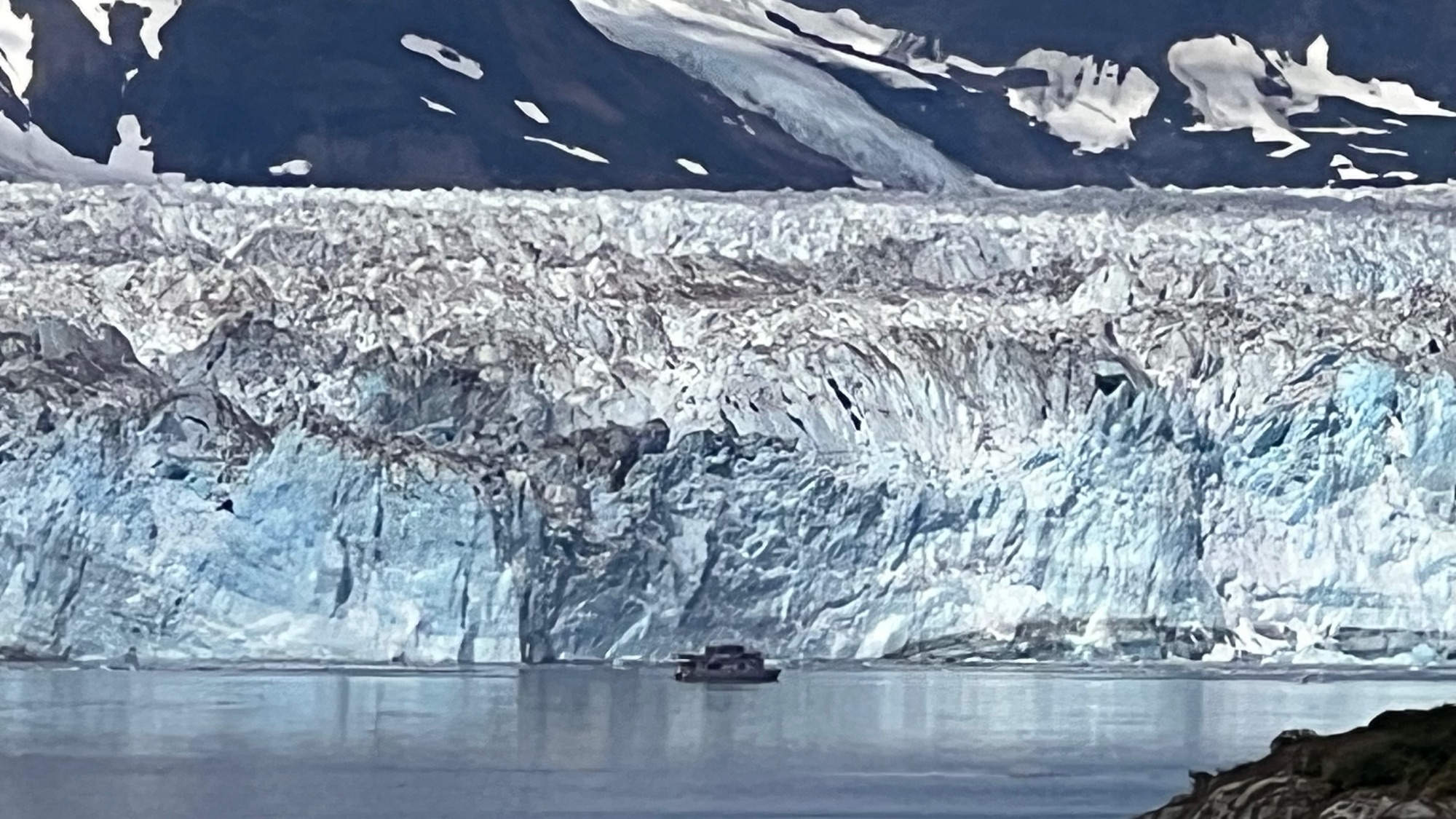
What surprised me most was the sheer scale of everything. I've seen mountains before, but nothing prepared me for range after range stretching to the horizon, glaciers pressing up so close to the ship that I felt I could reach out and touch the blue ice. The landscape is not tall buildings and concrete. It is vacancy and vastness, wild in a way that makes you feel wonderfully small.
The Reality of Remote Travel
Here's what challenged me, and what I now understand better than any guidebook could teach: this region does not operate like a normal destination. There are no ride-share apps waiting outside your hotel, no abundance of rental car counters, no easy shuttle services. Every transfer, every hotel check-in, every rail connection must be arranged in advance with precise timing. Trying to improvise is essentially impossible.
The weather added another layer of complexity. Even in summer, we experienced multiple seasons in a single day, sunshine giving way to wind and rain within hours. Packing correctly isn't optional; it's essential. Layers, waterproof gear, sturdy footwear for hiking stairs and climbing in and out of boats. I now tell every client exactly what to bring because I learned the hard way what happens when you're underprepared.
Who This Journey Is For
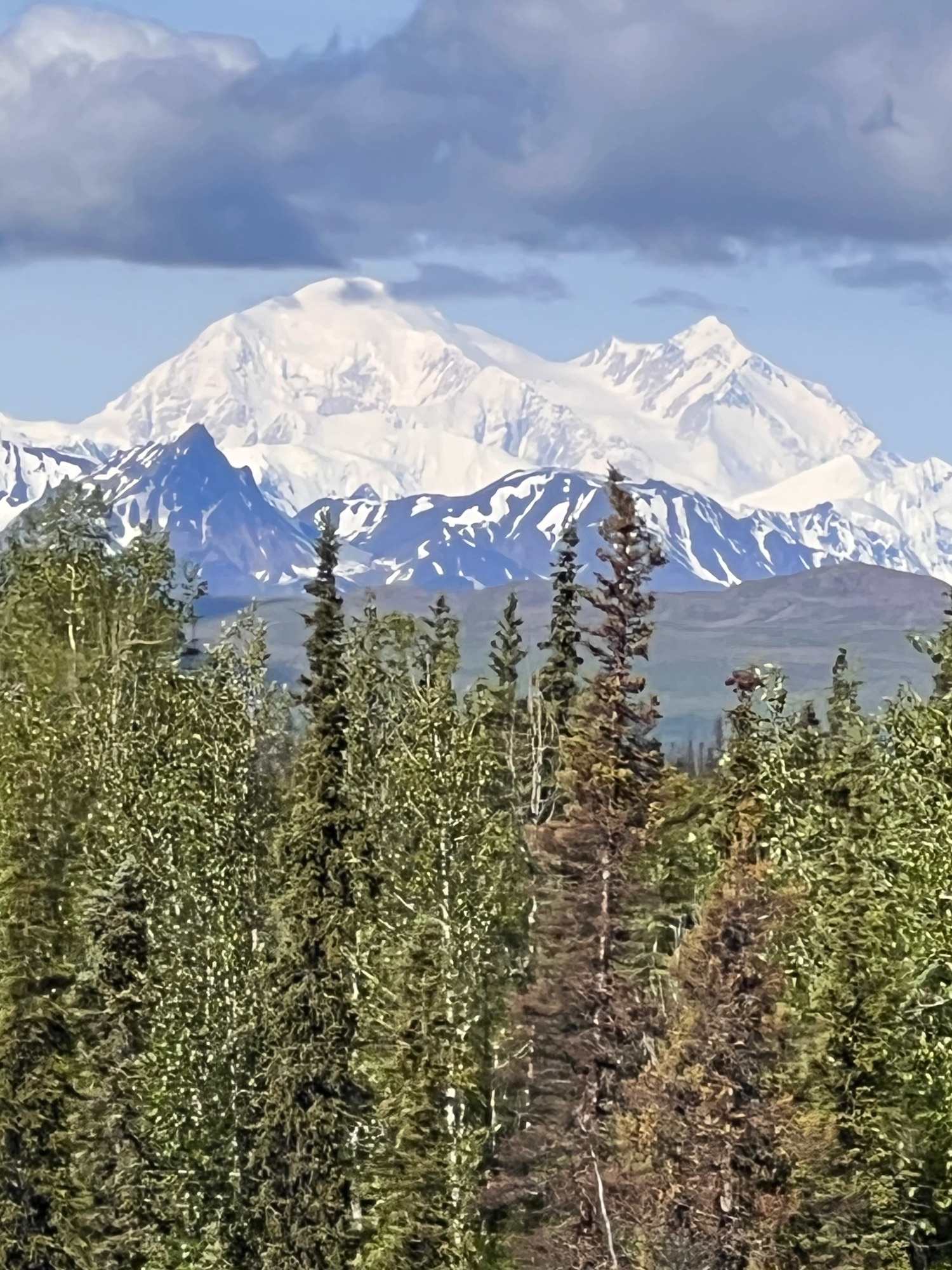
If you love nature and the outdoors, if your heart lifts at the sight of pristine mountain lakes, historic fishing villages, and wildlife around every bend, this trip will move you. History enthusiasts who are fascinated by the Gold Rush era will find themselves walking through communities that feel frozen in time. The Alaska Railway alone is worth the effort, offering views of Denali that no photograph can truly capture.
I do offer one honest note: travelers with mobility challenges can still enjoy this journey, but certain experiences require physical ability. Hiking, climbing ship gangways, and navigating uneven terrain are part of the adventure. Knowing this ahead of time helps set proper expectations.
My biggest insider tip? Always fly to the furthest point and sail back toward home. A one-way southbound cruise means you're not rushing to return to port. You can linger at each stop, savor the journey, and truly absorb everything around you. It transforms the experience from a checklist into a memory.
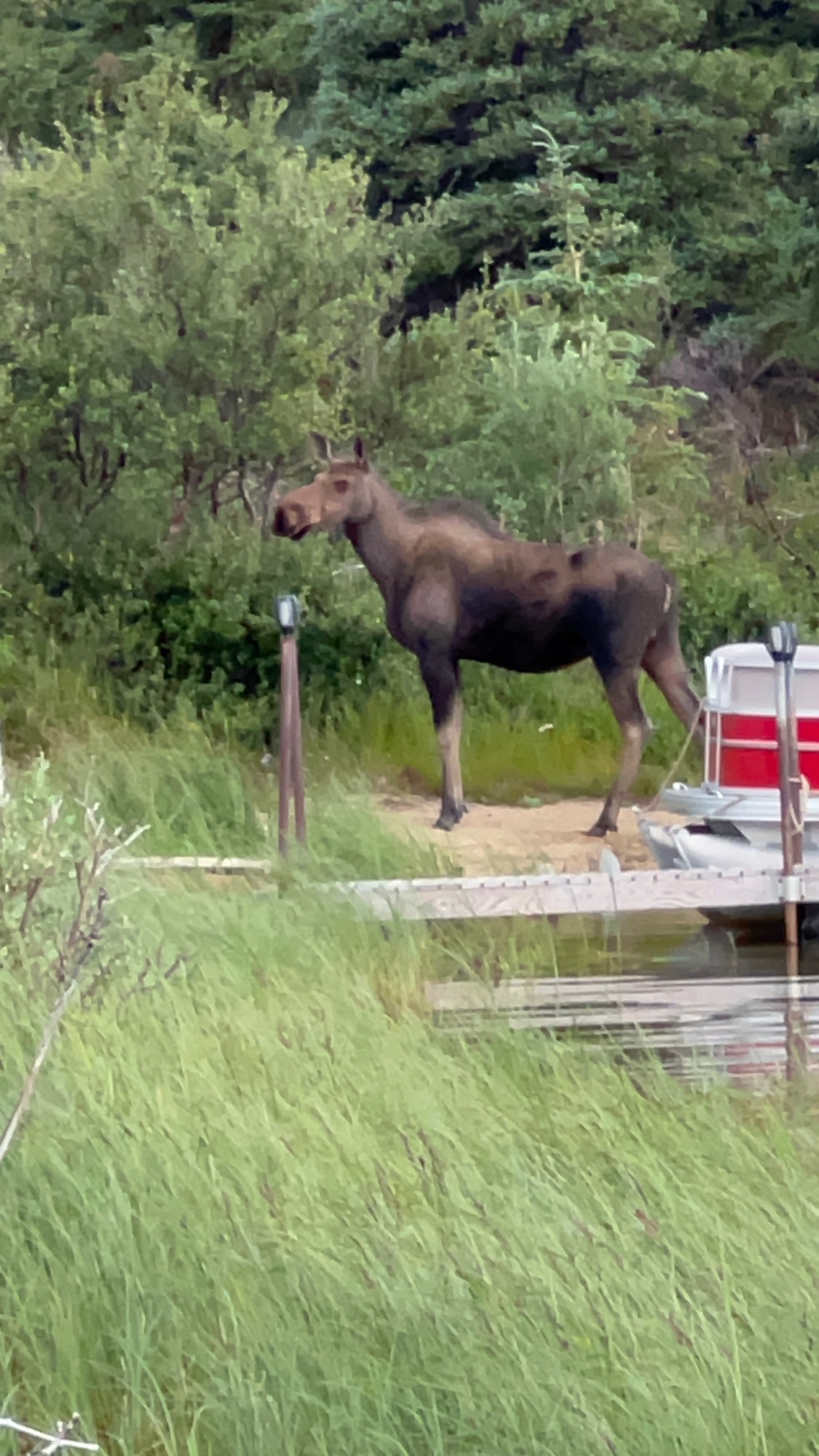
Having done this myself, I can now guide clients through every logistical challenge, every packing question, every timing decision. This isn't a trip you cobble together online. It's a trip you plan with someone who has walked the same trails, sailed the same waters, and learned what works. And I cannot wait to send my clients on this adventure, knowing exactly what awaits them in that wild, beautiful corner of our backyard.

Craig White